
When a loved one is receiving hospice care, it’s natural to feel unsure about what to do if something suddenly changes. Families often ask:
- Should I call 911 for a hospice patient?
- What counts as an emergency in hospice care?
- When should I call the hospice nurse instead of an ambulance?
At Transitions LifeCare, our hospice team is available 24 hours a day, 7 days a week to support patients and families. In most situations, the best first step is to call your hospice care team, who can guide you through what’s happening and provide immediate support.
Understanding the difference between when to call hospice and when to call 911 can help ensure your loved one receives care that aligns with their comfort and care goals.
When to Call the Hospice Phone Line
If your loved one is enrolled in hospice care or palliative care, or our pediatric (Transitions Kids) care department, your first call should usually be the hospice phone line, not 911.
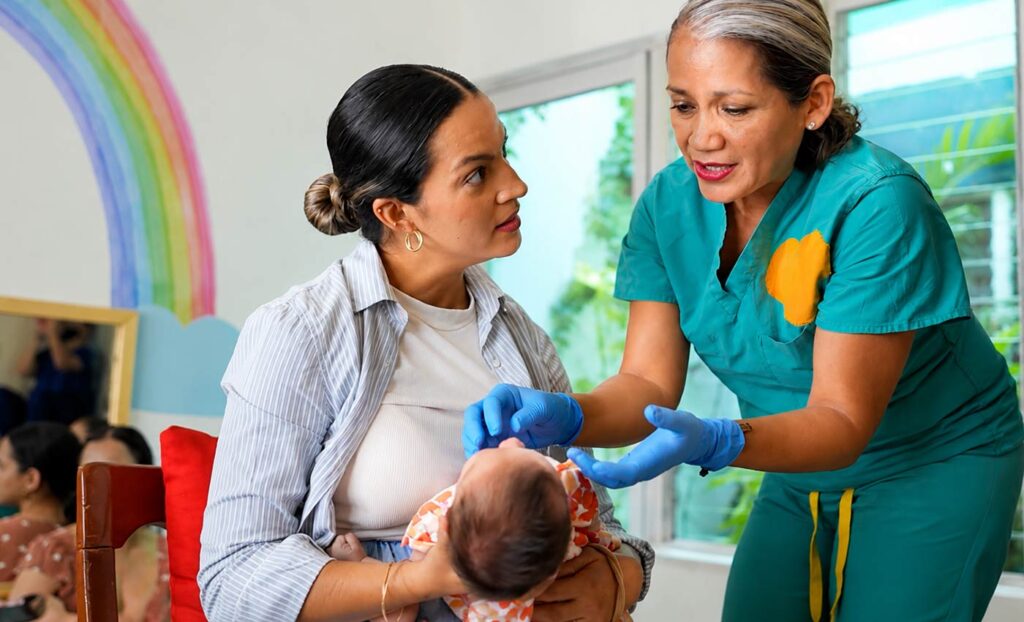
Hospice nurses specialize in managing symptoms related to serious illness and end-of-life care. They can provide guidance over the phone, adjust medications, or send a nurse to your home if needed.
Call the hospice care team if your loved one experiences:
- Increased pain or discomfort
- Trouble breathing or shortness of breath
- Restlessness, anxiety, or agitation
- Nausea, vomiting, or medication concerns
- A fall or sudden change in alertness
- New or worsening symptoms
- Questions about medications or care instructions
In many cases, these symptoms can be managed quickly at home, allowing the patient to remain comfortable and avoid an unnecessary hospital visit.
Calling hospice first helps the care team respond in a way that supports the patient’s comfort, dignity, and wishes.
When to Call 911
There are some situations where calling 911 may be appropriate, even for someone receiving hospice care.
You may need to call emergency services if:
- The patient has not yet started hospice services
- There is a serious injury or accident
- A caregiver is in immediate danger
- You cannot reach the hospice care team and need urgent help
- The situation falls outside the hospice care plan
If emergency responders arrive, it’s helpful to inform them that the patient is receiving hospice care through Transitions LifeCare, so they understand the patient’s care goals.
Why Hospice Teams Ask Families to Call Them First
Hospice care focuses on comfort and quality of life, while emergency services are designed to stabilize patients and transport them to a hospital.
Because hospice nurses understand the patient’s medical history, medications, and care plan, they are often the best people to help when symptoms change.
By calling the hospice phone line first, your care team can:
- Provide immediate guidance and reassurance
- Help manage symptoms at home
- Adjust medications safely
- Send a nurse if needed
- Support family members during stressful moments
This approach helps patients remain in familiar surroundings and focused on comfort, which is a central goal of hospice care.
When You’re Not Sure What to Do
One of the most important things to remember is that you are never alone when your loved one is receiving hospice care.
The team at Transitions LifeCare is available 24 hours a day to answer questions, guide families through changes, and provide compassionate support.
If something changes and you’re unsure what to do, call the hospice phone line first. Our team can help you determine the best next step.