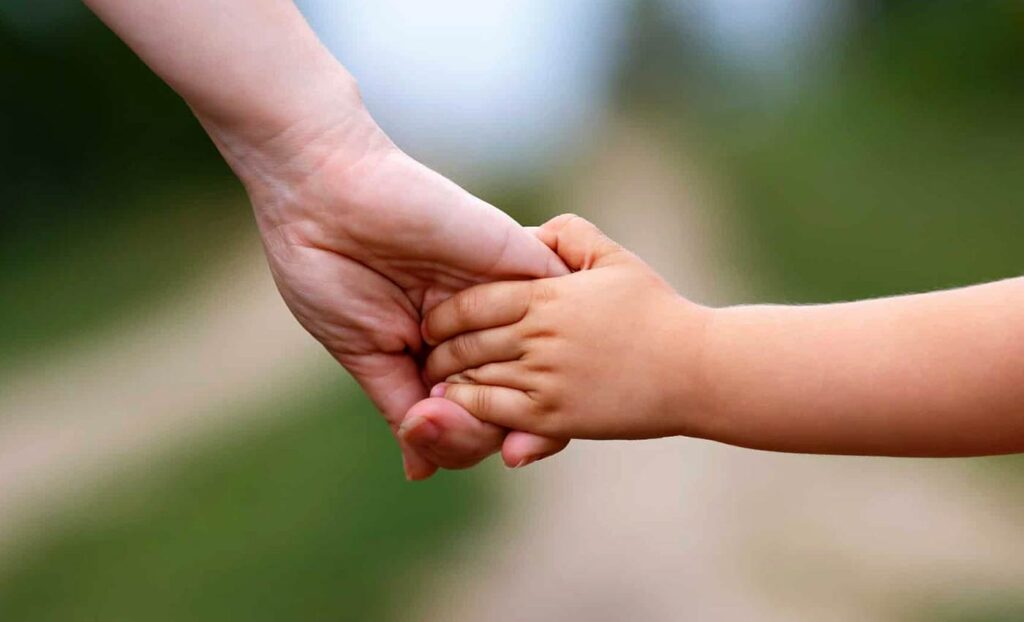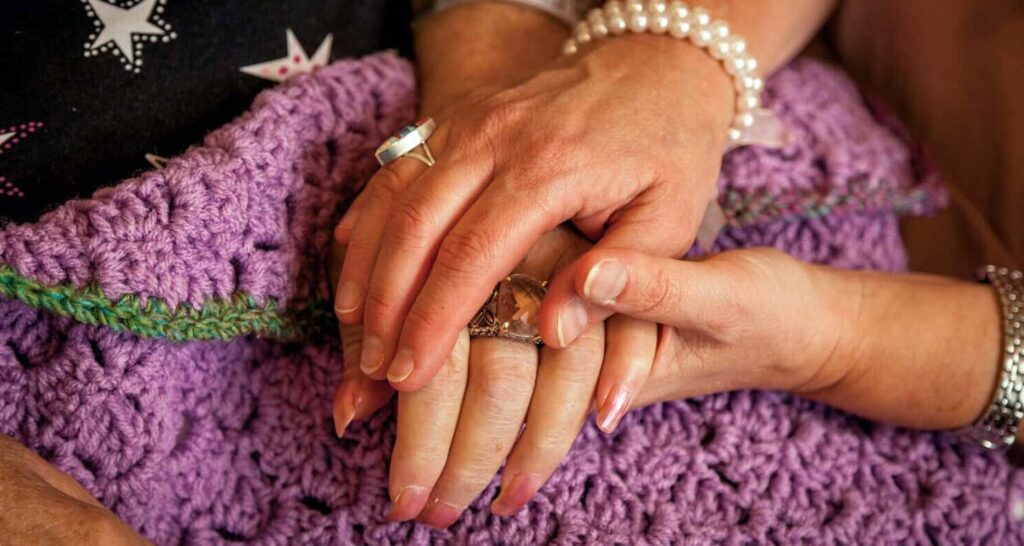

Grief is a natural response to loss, but that does not make it easy. It can feel intense, unpredictable, and exhausting, and it often affects every part of life; physically, emotionally, mentally, socially, and spiritually.
Grief Looks Different for Everyone
No two people grieve in exactly the same way. Grief is not a neat, predictable process, and it does not move in a straight line. Many people experience a mix of good days and bad days, sudden waves of sadness, numbness, anger, confusion, or even moments of peace.
Common grief reactions may include:
- Fatigue and changes in sleep or appetite
- Trouble concentrating
- Sadness, anger, guilt, anxiety, or loneliness
- Restlessness or withdrawal
- Questioning meaning, faith, or identity
Coping With Grief
Grief takes a lot out of you, so it is important to be gentle with yourself. Healing does not happen quickly, and it helps to lower expectations and take things one day at a time.
A few ways to care for yourself include:
- Resting when you need to
- Keeping simple routines
- Talking with people you trust
- Writing, walking, or finding other healthy outlets
- Letting yourself feel what you feel without judgment
Supporting Someone in Grief
If someone you care about is grieving, one of the most helpful things you can do is listen. You do not need perfect words; just being present, acknowledging the loss, and offering specific support can mean a lot.
Helpful support may look like:
- Listening without trying to fix it
- Reaching out and checking in
- Offering practical help
- Being patient with the grieving process
- Inviting the person to share memories
A Gentle Reminder
Grief is deeply personal, and healing takes time. There is no right way to grieve, but support, compassion, and patience can help make the journey feel a little less lonely.