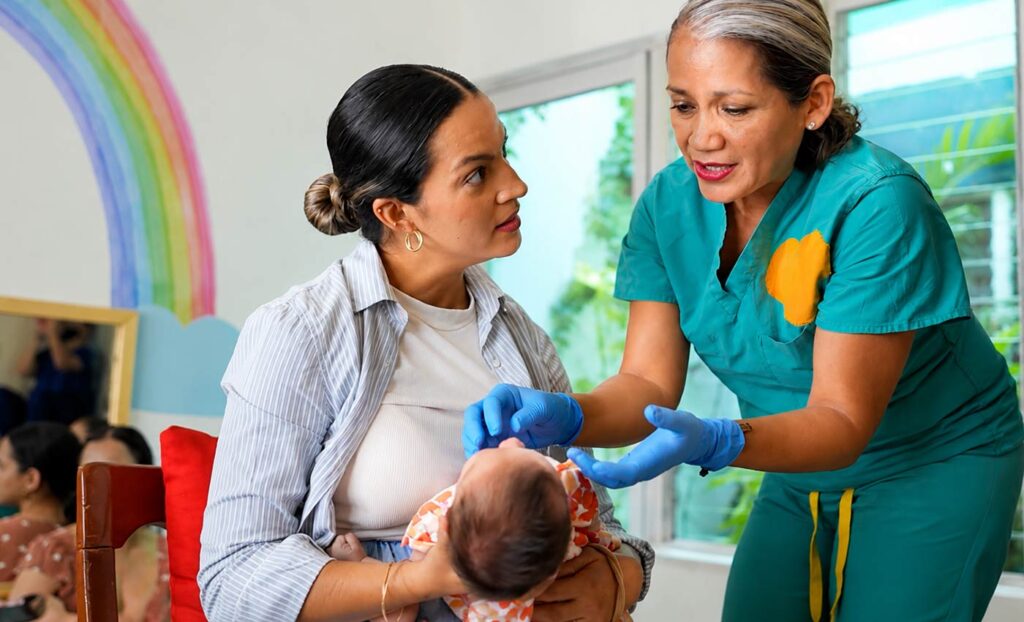

Transitions Kids offers various levels of pediatric care designed solely around the unique needs of children (perinatal for children with a potentially life-threatening diagnosis all the way up to age 18) facing life-limiting illness. The goal is to provide community based supportive care services for the child and family that are focused on enhancing quality of life by reducing physical and emotional pain and distress.
Navigating Important Conversations
Navigating a child’s diagnosis and illness can be eased by having the right information at your fingertips. Find what you need below.
Medical Complexity
Resources and Tools
- Sibling support TEDx Talk – “Recognizing Glass Children”
- SBSK – a place where disabled and neurodiverse people of all backgrounds share their story
- Man Enough to Care – a miniseries about caregiving that “begins to define a new, healthy masculinity rooted in a culture of care”
- The Ultimate Homeschool Toolkit for Kids on the Spectrum: Strategies, Schedules & Support
Books
- Caring for a seriously ill child
- Patient education
- The Circle of Care Guidebook for Caregivers of Children with Rare and Serious Illness: intended to help caregivers navigate through the varied experiences and challenges of rare and serious medical conditions, guided by the insights, achievements, and learnings of other caregivers and experts.
Grieving A Loss
Resources and Tools
- Autism and Grief
- Social stories about death and funerals
- Sesame Street grief resources
- Teenage Grief Sucks
Books
- Talking to children about death and dying
- Children coping with grief and loss
- Children grieving the loss of a parent
- Children grieving the loss of a grandparent
- Children grieving the loss of a pet
- Grieving teens and young adults
- Grieving parents
- Grief and loss for adults
- Pregnancy and stillborn loss
- Staying connected
Raising Racial Consciousness
Resources & Tools
- “Is My Skin Brown Because I Drank Chocolate Milk?” TEDx Talk
- Talking to Kids About Racism (video)
- Talking About Race (resources for parents/caregivers)
- EmbraceRace
- Talking Race With Young Children
- Social Story for George Floyd
- Be The Bridge (racial equity education for adults)
- 21 Anti-Racism Videos To Share With Kids
- Anti-Racism Resources for Parents and Kids
- Justice in June (a step a day to become an active ally)
- Anti-racism resources
Social Media Accounts
- The Conscious Kid (Instagram)
- Here Wee Read (Instagram)
- Inclusive Story Time (Instagram)
- The Tiny Activist (Instagram)
- Uncomfortable Conversations With A Black Man (YouTube channel)
Books
- Racial Consciousness books
- Here Wee Read (book lists and reviews)
- Baratunde’s World-Saving Books (book list and reviews)
- Beyond the Golden Rule (parent’s guide)
Podcasts
- Your Parenting Mojo (episodes 83, 85, 87, 89, 91, and 93)
- Parenting Forward (episode 75)
- Integrated Schools
- Fare of the Free Child
Self-Care Resources
Creating time and space for enriching experiences and self-care is not just a way to find enjoyment or relief amidst challenging times, but is truly fundamental in strengthening, supporting, and caring for your whole family.
Read “Self-care for the caregiver” from Harvard Medical School, try the self-care assessments, worksheets, and ideas from Positive Psychology, and visit the American Psychological Association’s Self-Care Resource Center to learn some ways to care for yourself.
Community Resources
We’re grateful to live in a community rich with resources for people of all ages and in all situations. Find what you need below.
Public Assistance
View this flowchart of possible referral sources for assistance in North Carolina.
Community Alternatives Program for Children (CAP/C)
CAP/C provides home- and community-based services to children at risk for institutionalization in a nursing home. You can apply through the Department of Health and Human Services (DHHS) or through a county CAP/C Case Management Provider. CAP/C provides:
- In-home nurse or nurse aide care.
- Home modifications and vehicle modifications.
- Palliative care (art therapy, music therapy, counseling, and bereavement counseling).
- Caregiver training and education.
- Respite care.
- Reusable diapers and disposable liners.
- Physical, occupational, and speech therapy.
- Medical equipment.
North Carolina Infant-Toddler Program (NC ITP)
The NC ITP provides supports and services for families and their children, birth to three, who have special needs. They work with Children’s Developmental Services Agencies (CDSAs) to provide:
- Service coordination.
- Physical, occupational, and speech-language therapies.
- Family support.
- Special instruction.
- Assistive technology.
- Other services.
Supplemental Security Income (SSI) for Children
SSI provides financial support for families with children who have a medically determinable physical or mental impairment(s). See a list of Compassionate Allowances (CAL) conditions here.
Financial Assistance
Assistance for Cancer
- Arms Wide Open Cancer Care
- B+ Foundation
- Fight Like Paxton
- Hope Abounds
- Jack Strong
- Luke Neuhedel Foundation
- Pinky Swear Foundation
- Small Miracles Foundation
Assistance for All Illnesses
- Durham Community Food Pantry
- Community Hospice & Palliative Care Foundation (must be submitted through TK or hospital social worker)
- Compassion Can’t Wait
- First in Families of NC
- First Presbyterian Church of Durham Walk-in Ministry: 919.682.5511 or walkinministry@firstpres-durham.org
- First Presbyterian Church of Raleigh Friendship Fund: call 919.833.4070 on Tuesday mornings to schedule an appointment
- The Fishstrong Foundation
- Get Stuff Done 4 Kids
- MeFine Foundation (must be submitted through TK or hospital social worker)
- The Importance of Little Things
- United Way: dial 211
Wish-Granting Organizations
- Cherished Creations
- Do It For The Love (music/concerts)
- The Granted Wish Foundation (sports/celebrity athletes)
- Icing Smiles (custom cakes and treats)
- Jamie’s Dream Team
- Make-A-Wish
- Meg’s Smile
- Marty Lyons Foundation