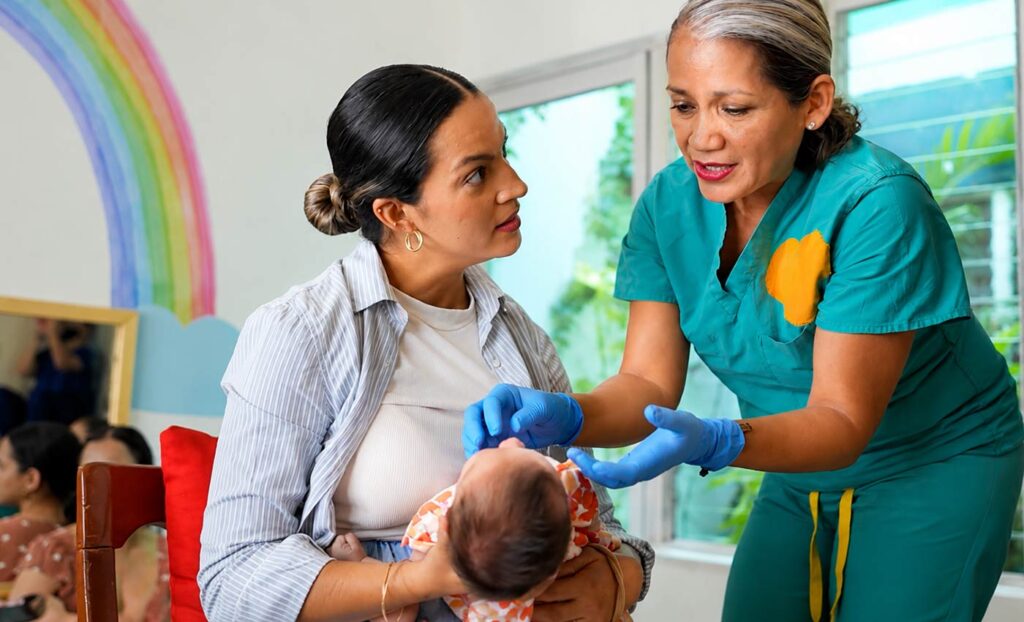
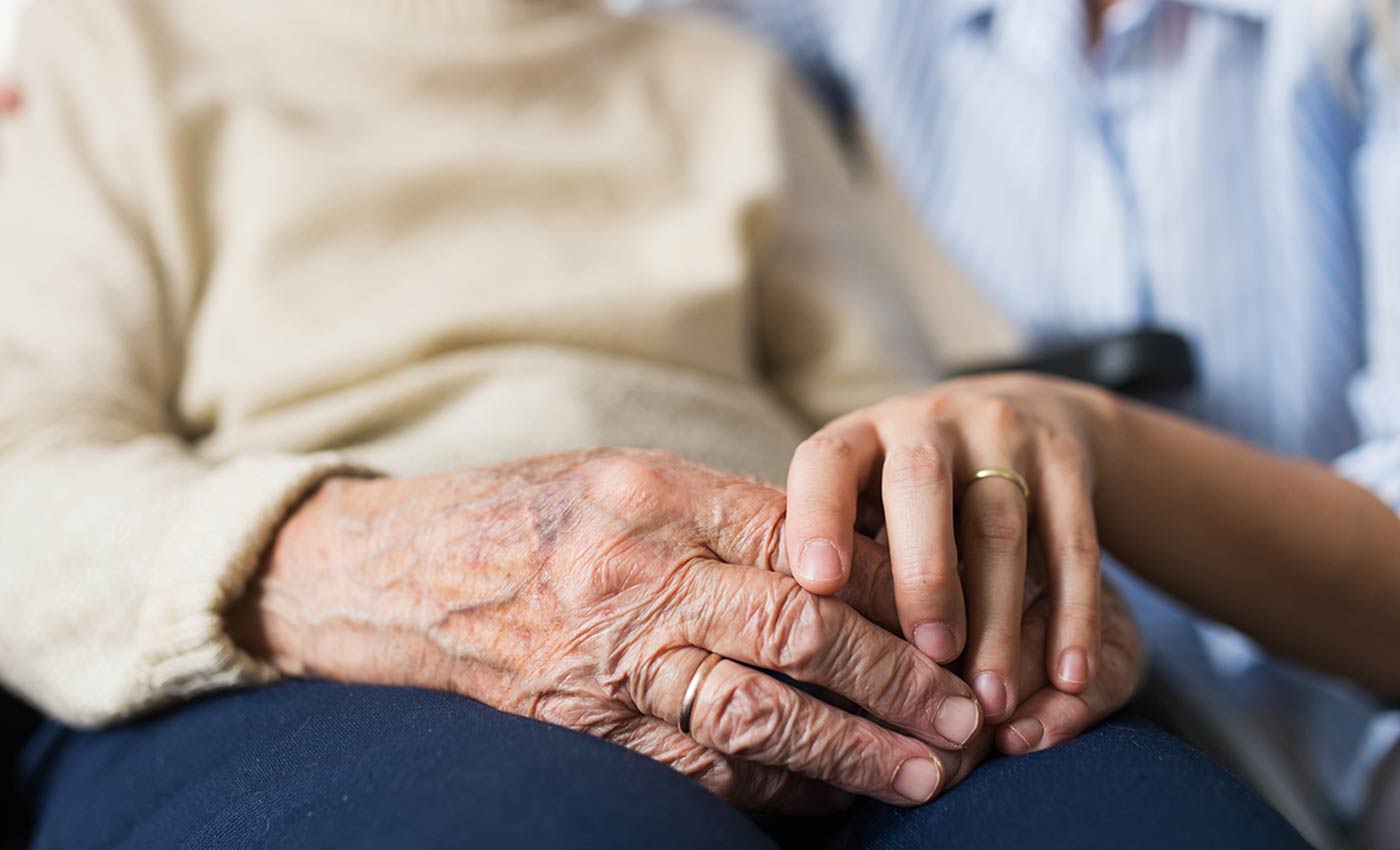
Caring for someone with a serious illness can bring a mix of love, stress, uncertainty, and exhaustion. Whether your loved one is receiving hospice care or palliative care, caregivers often play a big role in providing comfort, helping with daily needs, and offering emotional support.
You Are an Important Part of the Care Team
Caregivers help create a sense of stability during a difficult time. That may mean helping with appointments, managing medications, noticing changes in symptoms, or simply being there to listen and offer reassurance.
Even small acts of care can make a big difference.
Hospice Care and Palliative Care Support Caregivers, Too
Hospice care and palliative care both focus on comfort and quality of life, but they also support the family members and caregivers walking alongside the patient. Care teams can help answer questions, explain what to expect, and provide guidance when things feel overwhelming.
That support can help caregivers feel more informed and less alone.
Common Challenges Caregivers Face
Caring for a loved one during serious illness often comes with emotional and practical challenges, including:
- Feeling overwhelmed by new responsibilities
- Balancing caregiving with work or family life
- Worrying about making the right decisions
- Managing stress, sadness, or exhaustion
- Not knowing what changes to expect
These feelings are common, and they do not mean you are doing anything wrong.
Ways to Care for Yourself While Caring for Someone Else
Caregivers often put their own needs last, but support matters for you too. A few small steps can help protect your energy and well-being:
- Ask for help when you need it
- Take breaks when possible
- Write down questions for the care team
- Accept support from friends or family
- Give yourself permission to rest
You do not have to do everything alone.
Support Can Make the Journey Easier
Being a caregiver can be one of the most meaningful roles you ever take on, but it can also be one of the hardest. The right support, information, and guidance can help you feel more confident and better prepared for the road ahead.
If your loved one is receiving hospice care or palliative care, remember this: caring for the caregiver matters too.